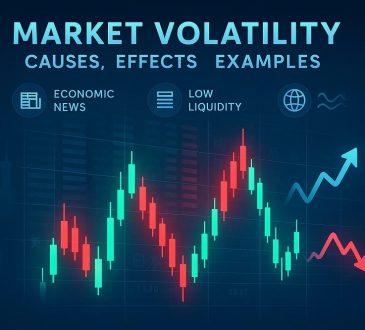
The Ultimate Guide to Trading: Strategies, Markets, and Key Considerations for Success


Trading is the buying and selling of financial instruments like stocks, bonds, commodities, and cryptocurrencies with the goal of making a profit. It can be done on a variety of platforms and through various strategies, offering the potential for significant returns. However, trading is not without its risks. Understanding the different types of trading, strategies, and key factors that influence market movements is essential for any trader. In this comprehensive guide, we will delve into the world of trading, its various forms, and provide tips and insights to help you succeed in the financial markets.
What is Trading?
At its core, trading involves the exchange of financial instruments between buyers and sellers. The goal is to buy low and sell high, generating a profit in the process. Trading can occur on various markets, including the stock market, forex market, cryptocurrency market, and commodity markets. Traders aim to take advantage of price fluctuations in these markets, whether in the short term or over longer periods.
Trading differs from investing, which generally involves buying assets for long-term holding. In contrast, trading focuses on making profits from price movements over short or medium time frames. Traders use a variety of strategies, tools, and analysis techniques to predict market trends and make informed decisions.
Types of Trading
There are different types of trading, each with its own approach, goals, and timeframes. Understanding these types can help you determine which style of trading suits your preferences and financial objectives.
1. Day Trading
Day trading involves buying and selling financial instruments within the same trading day. The goal is to capitalize on short-term price movements and make quick profits. Day traders typically make multiple trades throughout the day and close all positions before the market closes.
- Advantages: Potential for quick profits, no overnight risk (positions are closed by the end of the day).
- Disadvantages: Requires significant time and attention, high stress, and transaction fees due to frequent trades.
- How It Works: Day traders use technical analysis, chart patterns, and real-time data to make buy or sell decisions. They must act quickly to capitalize on market movements.
2. Swing Trading
Swing trading is a medium-term trading strategy where traders hold positions for several days or weeks to capitalize on price swings or trends. Unlike day traders, swing traders are not focused on the price movements within a single day but rather on capturing larger trends over a short to medium timeframe.
- Advantages: Less time-intensive than day trading, potential for higher returns from longer trends.
- Disadvantages: Exposes traders to overnight risk, requires patience and analysis to identify trends.
- How It Works: Swing traders typically use a combination of technical analysis and fundamental analysis to predict price swings. They buy when they believe prices will rise and sell when they believe prices will fall.
3. Scalping
Scalping is an ultra-short-term trading strategy where traders attempt to make small profits from very small price movements, often executing dozens or even hundreds of trades in a single day. This strategy is highly focused on speed and volume.
- Advantages: Potential for many small profits, low exposure to market risk at any given moment.
- Disadvantages: Requires a lot of focus, very high transaction costs due to frequent trades, and can be exhausting.
- How It Works: Scalpers rely on fast execution, high leverage, and frequent transactions to take advantage of minimal price movements. They often use automated trading systems or algorithms to execute trades quickly.
4. Position Trading
Position trading is a long-term trading strategy where traders buy and hold assets for months or even years. This type of trading is typically based on the fundamental analysis of assets, as traders are looking to profit from long-term trends.
- Advantages: Less time-intensive than short-term strategies, potential for significant returns over time.
- Disadvantages: Exposed to long-term market fluctuations, requires patience and a strong understanding of the fundamentals.
- How It Works: Position traders analyze economic factors, industry trends, and company fundamentals to make long-term decisions. They do not focus on short-term price movements but instead hold assets until they believe the price has reached its potential.
5. Algorithmic Trading
Algorithmic trading, also known as algo-trading, involves the use of computer algorithms to execute trades automatically based on predefined criteria. This type of trading is often used by institutional investors, hedge funds, and professional traders.
- Advantages: Speed, accuracy, ability to backtest strategies, and reduced emotional decision-making.
- Disadvantages: High complexity, reliance on technology, and potential for significant losses if the algorithm malfunctions.
- How It Works: Algorithmic traders create and test trading algorithms that follow specific criteria such as price, volume, or other technical indicators. The algorithm then executes trades based on these parameters, often at a much faster rate than human traders.
Key Trading Strategies
There are various strategies traders use to identify opportunities and manage risk. Some of the most popular strategies include:
1. Trend Following
Trend following is a strategy that aims to capitalize on market trends, whether bullish (upward) or bearish (downward). Traders identify the direction of the trend and enter trades in the same direction.
- Advantages: Can be highly profitable when trends are strong, simple to implement.
- Disadvantages: False signals or trend reversals can lead to losses.
- How It Works: Traders use technical indicators such as moving averages, trendlines, and momentum indicators to identify trends. Once a trend is identified, traders buy during an uptrend and sell during a downtrend.
2. Contrarian Trading
Contrarian trading is a strategy where traders go against the prevailing market sentiment. The idea is to buy when most are selling and sell when most are buying, under the assumption that the market is overreacting and will eventually reverse.
- Advantages: Potential for substantial gains when markets correct, based on the idea of market overreactions.
- Disadvantages: High risk, as going against the market can lead to significant losses if the trend continues.
- How It Works: Contrarian traders use technical analysis, sentiment indicators, and market news to identify when the market is overbought or oversold. They may also use fundamental analysis to look for signs that the market’s behavior is not justified.
3. Breakout Trading
Breakout trading focuses on identifying price levels at which an asset’s price is likely to break through a barrier, such as a support or resistance level. Once the price breaks through, traders anticipate that the asset will continue in the direction of the breakout.
- Advantages: Can lead to substantial profits if the breakout is strong.
- Disadvantages: False breakouts can lead to losses, and breakouts can be difficult to predict.
- How It Works: Traders use chart patterns, such as triangles, channels, and ranges, to identify potential breakout points. Once the price moves past a key level, traders enter trades with the expectation that the price will continue in the breakout direction.
Risk Management in Trading
One of the most crucial aspects of successful trading is effective risk management. Without managing risk, traders can quickly lose their capital, even with the best strategies in place. Here are some essential risk management techniques:
1. Stop-Loss Orders
A stop-loss order is an instruction to automatically sell an asset when it reaches a certain price. This helps limit losses if the market moves against the trader’s position.
- Benefits: Protects against significant losses, enforces discipline in trading.
- How It Works: If the price of an asset falls to the level specified in the stop-loss order, the asset is automatically sold, minimizing potential losses.
2. Position Sizing
Position sizing refers to the amount of capital allocated to a single trade. By controlling position sizes, traders can reduce the risk of losing a large portion of their capital on any single trade.
- Benefits: Helps limit losses and prevent excessive risk exposure.
- How It Works: Traders determine the appropriate size of each position based on their overall capital, risk tolerance, and stop-loss levels.
3. Diversification
Diversification involves spreading investments across different assets, sectors, or markets to reduce the risk of any single investment negatively impacting the overall portfolio.
- Benefits: Reduces risk by limiting exposure to any single asset or market.
- How It Works: Traders invest in different asset classes or securities to ensure that the performance of one asset does not drastically affect the entire portfolio.
FAQs About Trading
1. What’s the Difference Between Trading and Investing?
Trading involves short-term buying and selling of assets, with the goal of making quick profits from price movements. Investing, on the other hand, focuses on buying assets for long-term growth, such as purchasing stocks or bonds to hold for years.
2. How Much Money Do I Need to Start Trading?
The amount of money required to start trading depends on the market and the type of trading you want to do. For example, day trading may require more capital to meet margin requirements, while swing or position trading can be started with less money.
3. How Do I Know Which Trading Strategy is Right for Me?
The right trading strategy depends on your risk tolerance, time availability, and financial goals. Day trading is suitable for individuals who can dedicate time to the markets, while position trading may be better for those with a long-term perspective.
4. Is Trading Risky?
Yes, trading carries inherent risk due to market volatility. However, effective risk management techniques, such as stop-loss orders, position sizing, and diversification, can help minimize the risks and protect your capital.
Trading offers the potential for significant financial rewards, but it also comes with substantial risks. By understanding the different types of trading, strategies, and risk management techniques, traders can make informed decisions and improve their chances of success in the market. With discipline, patience, and knowledge, anyone can navigate the complexities of trading and work towards achieving their financial goals.