Understanding Credit: A Comprehensive Guide to Managing and Leveraging Your Financial Health

Credit is an essential component of the modern financial system, affecting individuals, businesses, and economies worldwide. Whether it’s securing a loan for a new home, obtaining a credit card, or managing your debt, credit plays a significant role in your financial life. In this article, we’ll explore the intricacies of credit, its various forms, how it impacts your financial health, and strategies for managing and improving your credit.
What is Credit?
At its core, credit refers to the ability to borrow money with the promise of paying it back later, usually with interest. The concept allows individuals and businesses to make purchases or investments they wouldn’t otherwise be able to afford immediately. In exchange for the borrowed funds, lenders expect repayment over time, typically with interest to cover the cost of lending.
Credit is not just a financial tool; it’s also a measure of trust. A lender must trust the borrower to repay the borrowed amount under the agreed terms. Your creditworthiness determines whether a lender is willing to extend credit to you and at what terms.
Types of Credit
Credit comes in various forms, each serving different purposes. Understanding these types is crucial for anyone looking to make informed financial decisions.
1. Revolving Credit
Revolving credit allows you to borrow money up to a certain limit, repay it, and borrow again. The most common example of revolving credit is a credit card. The key feature of revolving credit is the flexibility it offers. As long as you stay within your credit limit and make at least the minimum payments, you can continue borrowing.
- Advantages: Flexibility in borrowing, access to funds as needed.
- Disadvantages: High-interest rates if balances are not paid off in full.
2. Installment Credit
Installment credit refers to loans that are paid back over a set period with fixed payments. Common examples include mortgages, auto loans, and personal loans. Unlike revolving credit, installment loans are typically for specific purposes and have a fixed repayment schedule.
- Advantages: Predictable payments, often lower interest rates than revolving credit.
- Disadvantages: Less flexibility, as the loan terms are fixed.
3. Open Credit
Open credit refers to agreements where you borrow funds with the condition that the balance must be paid in full every month. Charge cards are a prime example of open credit. While open credit doesn’t accrue interest like revolving credit, you must pay the balance in full by the due date.
- Advantages: No interest charges if paid in full.
- Disadvantages: Potential for late fees if the balance isn’t cleared on time.
4. Secured Credit
Secured credit involves borrowing money against collateral, which serves as security for the lender. Car loans and home loans are examples, where the asset purchased acts as collateral. If the borrower fails to repay, the lender can seize the collateral.
- Advantages: Easier to obtain for borrowers with lower credit scores.
- Disadvantages: Risk of losing the collateral if payments are missed.
5. Unsecured Credit
Unsecured credit, on the other hand, does not require collateral. Examples include personal loans, credit cards, and student loans. Lenders rely on your creditworthiness and ability to repay when extending unsecured credit.
- Advantages: No collateral required.
- Disadvantages: Higher interest rates and stricter eligibility criteria.
How is Creditworthiness Measured?
Creditworthiness is a crucial factor in determining whether a lender will approve your application for credit. Several factors come into play when assessing your creditworthiness.
1. Credit Scores
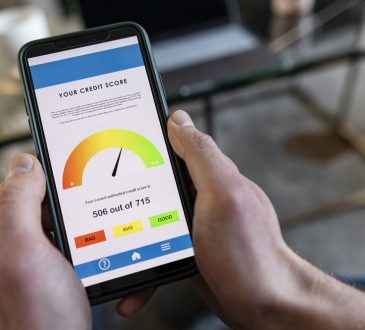
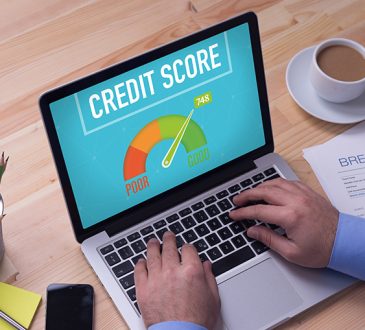
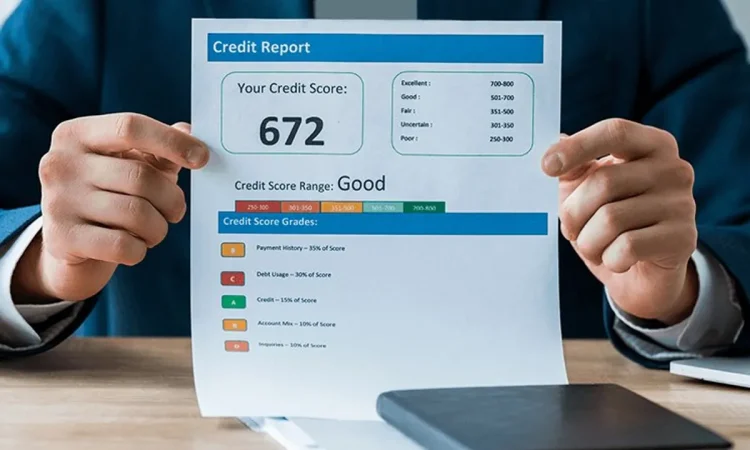
A credit score is a numerical representation of your creditworthiness, calculated based on your credit history and other financial behaviors. The most commonly used credit scores are those provided by the FICO and VantageScore models. These scores range from 300 to 850, with higher scores indicating better creditworthiness.
- Excellent: 800-850
- Good: 670-799
- Fair: 580-669
- Poor: Below 580
Credit scores are influenced by several factors:
- Payment History (35% of score): Your history of paying bills on time, including credit cards, mortgages, and other loans.
- Credit Utilization (30% of score): The ratio of your outstanding credit balances to your total available credit.
- Length of Credit History (15% of score): How long you have been using credit.
- Types of Credit (10% of score): The variety of credit accounts you have (e.g., credit cards, mortgages, student loans).
- Recent Credit Inquiries (10% of score): How often you’ve applied for new credit.
2. Credit Reports
A credit report provides a detailed account of your credit history, including open accounts, payment history, and any collections or bankruptcies. You can obtain a copy of your credit report from the three major credit bureaus: Equifax, Experian, and TransUnion.
Credit reports are crucial for monitoring your credit status, spotting errors, and protecting against identity theft.
The Importance of Credit
Good credit has far-reaching benefits. It doesn’t just impact your ability to borrow money but also affects your overall financial health.
1. Access to Credit
The primary benefit of good credit is the ability to access lower-cost credit. Whether it’s a mortgage, car loan, or credit card, lenders are more likely to offer you favorable terms if you have a strong credit history.
2. Lower Interest Rates
Having a good credit score can significantly reduce the interest rates you pay on loans. For example, a person with a score of 760 or higher can qualify for a mortgage rate that is 0.5% to 1% lower than someone with a score below 620. This can save you thousands of dollars over the life of a loan.
3. Better Employment Opportunities
Some employers check credit reports as part of the hiring process, especially for roles that involve financial responsibilities. A poor credit history could raise concerns about your financial stability and decision-making abilities.
4. Renting an Apartment
Landlords often use credit reports to screen potential tenants. A strong credit report can make it easier to secure a rental, whereas a poor credit history might lead to rejection or the need for a co-signer.
5. Insurance Premiums
Your credit score can also impact your insurance premiums. Many insurance companies consider credit history when determining rates for auto or homeowners insurance. People with lower scores may pay higher premiums.
How to Improve Your Credit
Improving your credit is a gradual process that requires consistent effort. Here are some proven strategies:
1. Pay Bills on Time
Timely payments are the most important factor in improving and maintaining good credit. Set up automatic payments or reminders to ensure you never miss a due date.
2. Reduce Outstanding Debt
If you have outstanding credit card debt, focus on paying it off as quickly as possible. Start with high-interest debts first, or use the debt avalanche or debt snowball method to systematically reduce your debt.
3. Keep Credit Utilization Low
Credit utilization is the ratio of your current debt to your available credit. Try to keep your utilization rate below 30% to avoid negatively impacting your score.
4. Limit New Credit Applications
Each time you apply for new credit, it results in a hard inquiry on your credit report. While a single inquiry may have a minor effect, multiple inquiries can lower your score.
5. Review Your Credit Reports Regularly
Check your credit reports regularly to ensure there are no errors or fraudulent activities. Dispute any discrepancies with the credit bureaus to ensure your report reflects accurate information.
Common Credit Myths
1. Closing Old Accounts Improves Credit
Closing old credit accounts can hurt your credit score because it shortens your credit history and increases your credit utilization rate. Keeping old accounts open and using them occasionally can help maintain a longer credit history.
2. Checking Your Own Credit Hurts Your Score
Checking your own credit is considered a soft inquiry, which does not affect your credit score. It’s important to monitor your credit regularly to ensure everything is accurate.
3. Credit Scores Are the Same Across All Lenders
Different lenders may use different credit scoring models, meaning your score can vary depending on where it’s checked. However, FICO and VantageScore are the most widely used models.
FAQs About Credit
1. How Can I Check My Credit Score for Free?
You can check your credit score for free from the three major credit bureaus—Equifax, Experian, and TransUnion—once a year at AnnualCreditReport.com. Many banks and credit card companies also offer free credit score monitoring.
2. How Long Does it Take to Improve My Credit?
Improving your credit score depends on your current situation and the steps you take. It can take anywhere from a few months to several years to significantly improve your score.
3. Can I Get Credit With a Low Score?
Yes, but you may face higher interest rates or be required to provide a larger down payment. Some lenders specialize in offering credit to individuals with poor credit.
4. What Is the Best Way to Rebuild Bad Credit?
The best way to rebuild bad credit is to make timely payments, reduce outstanding debt, and avoid taking on additional debt. Secured credit cards can also be a good tool for rebuilding credit.
Credit is a powerful tool in the financial world, and understanding its nuances can lead to better financial decision-making. Whether you’re seeking to improve your credit score or simply gain a better understanding of how credit works, the strategies and insights discussed in this article will help guide you on the path to financial health and success.