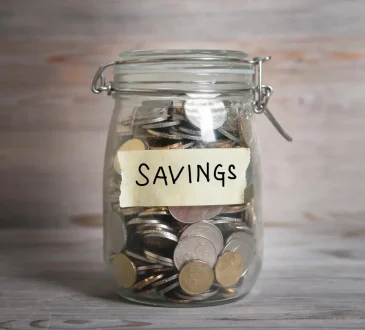
Financial success is rarely the outcome of a single windfall, a sudden inheritance, or an extraordinary salary spike. For the vast majority of households, lasting wealth is built through the quiet, cumulative power of daily money-saving habits. While earning a strong income provides valuable raw material, the gap between what you bring in and what you spend ultimately dictates your financial freedom.
When daily cash flow goes unmonitored, small leaks, lifestyle inflation, and recurring convenience charges silently drain your capital. Over time, this makes long-term goals, such as buying a home, retiring comfortably, or investing in new ventures, feel distant and unattainable. By cultivating disciplined, automated, and deliberate money-saving habits, you transform personal finance from an ongoing source of anxiety into an efficient engine for wealth creation.
The Mental Shift: Pay Yourself First
The most common mistake in personal money management is saving by subtraction. Under this flawed approach, an individual receives a paycheck, pays mandatory monthly bills, spends freely on discretionary items, and intends to deposit whatever money remains into savings. Because lifestyle spending naturally expands to consume all available liquidity, the leftover amount is almost always negligible.
Sustainable financial success requires inverting this dynamic through the principle of paying yourself first.
-
Treat Savings as a Non-Negotiable Bill: The moment your income arrives, immediately transfer a predetermined percentage (such as ten, fifteen, or twenty percent) into designated savings and investment accounts before paying for any flexible lifestyle expenses.
-
Remove Willpower from the Equation: Relying on daily motivation to resist spending is exhausting. Automating transfers from your checking account to your savings vehicles ensures consistent contributions every pay cycle without requiring daily discipline.
-
Adjust Your Baseline Standard of Living: By automatically sweeping savings off the top, your visible checking account balance reflects only the cash you can safely spend. This naturally calibrates your daily habits around a sustainable baseline.
Audit Cash Flow and Eliminate Structural Waste
You cannot optimize what you do not measure. Most consumers operate on rough estimates of their spending, consistently underestimating their flexible and recurring outlays by significant margins. Conducting a thorough audit of your past ninety days of financial statements reveals hidden leaks and operational waste.
Cancel Unused Subscriptions and Memberships
Modern corporate business models rely heavily on recurring auto-renewals that consumers easily forget.
-
Review Active Subscriptions: Audit your bank and credit card statements line by line to identify streaming channels, software tools, fitness memberships, and app services you no longer use regularly.
-
Eliminate Redundancies: If you subscribe to multiple overlapping entertainment or media platforms, reduce your selection to one or two favorites and rotate them throughout the year as needed.
-
Negotiate Recurring Service Contracts: Contact your internet, mobile phone, and home insurance providers annually. Inquire about promotional discounts, retention packages, or lower-cost plans that match your actual usage.
Eradicate the Convenience Markup
Modern conveniences provide short-term ease, but they carry substantial price markups that erode household cash flow over months and years.
-
Curtail Food Delivery Apps: Third-party meal delivery services add menu markups, service fees, delivery charges, and tips, often doubling the cost of a standard restaurant meal. Transitioning to home-cooked meals or picking up takeout directly saves hundreds of dollars every month.
-
Brew Coffee and Prep Workday Lunches at Home: A daily six-dollar coffee run combined with a fifteen-dollar lunch purchase amounts to more than five thousand dollars annually in easily avoided expenses.
-
Introduce Spending Friction: Remove saved credit card information from online shopping portals and web browsers. Forcing yourself to manually retrieve and enter your card numbers gives your brain time to evaluate whether a purchase is truly necessary.
Optimize Grocery and Household Purchases
Groceries and household consumables represent one of the largest flexible categories in any family budget. Small structural adjustments in how you plan, source, and store household goods yield substantial, immediate savings.
Practice Strategic Meal Planning
Food waste is essentially throwing money into the trash. Implementing a structured weekly meal plan ensures every item purchased has a clear purpose.
-
Perform a Pantry Inventory First: Design your weekly meals around ingredients, grains, and proteins you already have in your pantry, refrigerator, and freezer before compiling a new shopping list.
-
Stick Strictly to the Master List: Supermarkets are intentionally engineered to drive impulse purchases through endcap displays and strategic product placements. Entering the store with a strict list keeps your spending disciplined.
-
Buy Store Brands and Generics: Brand-name consumer packaged goods carry high advertising markups. Store-brand staples, such as flour, sugar, oats, dairy, spices, and canned vegetables, offer identical quality at twenty to thirty percent lower costs.
Buy Non-Perishables and Staples in Bulk
Purchasing frequently used, shelf-stable household goods in larger quantities significantly lowers the unit price.
-
Stock up on laundry detergent, paper goods, cleaning products, and dry foods through warehouse clubs or bulk sales.
-
Purchase family packs of staple meats or poultry when they are heavily discounted, then portion and freeze them at home for future meals.
-
Avoid buying bulk quantities of perishable goods that your household cannot consume before the expiration date, as spoilage negates any upfront savings.
Implement the Forty-Eight-Hour Rule on Discretionary Purchases
Impulse buying is driven by dopamine and immediate gratification. When you encounter an attractive, non-essential item online or in a store, the emotional urge to buy can easily overpower rational financial thinking.
To regain control, institute a mandatory forty-eight-hour waiting rule for all discretionary purchases over a specific dollar limit (such as fifty or one hundred dollars).
-
When you feel the urge to make an unplanned purchase, step away from the item or close the online checkout tab.
-
Note the item, its price, and the current date in a simple digital list or notebook.
-
Allow forty-eight hours to pass before revisiting the idea.
In a large majority of cases, the initial emotional impulse fades, and you will realize you can live comfortably without the item. If you still determine that the item provides genuine, lasting value after two full days of reflection, you can purchase it with intentionality and zero financial guilt.
Build Tiered Defensive Cash Reserves
A primary reason why long-term savings plans fall apart is the occurrence of unexpected life emergencies. Without an adequate cash cushion, a sudden vehicle breakdown, medical copay, or urgent home repair forces individuals to turn to high-interest credit cards or personal loans, wiping out previous financial progress.
To protect your financial trajectory, structure your cash reserves into clear operational tiers:
-
The Starter Emergency Buffer: Maintain one to two thousand dollars in an accessible checking or basic savings account to handle immediate, everyday surprises without reaching for a credit card.
-
The Fully Funded Core Reserve: Accumulate three to six months of baseline, non-negotiable living expenses (housing, utilities, food, basic insurance, and mandatory debt payments) in a high-yield savings account.
-
Targeted Sinking Funds: Establish separate savings sub-accounts for predictable, irregular expenses that occur throughout the year, such as annual car insurance premiums, holiday gifts, routine vehicle maintenance, and property taxes.
By funding sinking funds systematically each month, irregular bills cease to be emergencies, keeping your core emergency fund and long-term investments completely protected.
Put Your Savings to Work in High-Yield Accounts
Keeping substantial cash reserves in a traditional brick-and-mortar checking or savings account that pays near-zero interest is a subtle form of wealth erosion. Inflation steadily reduces the purchasing power of your money over time.
-
Leverage High-Yield Savings Accounts: Move your emergency reserves and sinking funds into high-yield savings accounts offered by reputable, federally insured institutions. These accounts often pay yields that are ten to twenty times higher than standard accounts while maintaining full liquidity.
-
Explore Certificates of Deposit for Fixed Timelines: If you are saving for a specific goal with a known date (such as a wedding or a home down payment in eighteen months), locking funds into fixed-term certificates of deposit guarantees a predictable yield while protecting principal.
-
Automate Interest Compounding: Ensure that all earned interest remains inside the account to compound over time, accelerating the growth of your safety net without requiring additional manual deposits.
Frequently Asked Questions
How much money should a beginner aim to save each month when starting out?
A beginner should aim to save whatever amount is immediately sustainable, even if it is only five to ten percent of their take-home pay, or a fixed sum of fifty dollars per paycheck. The primary objective in the beginning is establishing the psychological habit and automated routine of saving. Once your cash flow stabilizes and discretionary waste is eliminated, gradually increase your savings rate to fifteen or twenty percent over time.
Should I focus on paying off debt or saving money first?
You should establish a starter emergency fund of one to two thousand dollars first. Having this modest cash buffer prevents you from accumulating new debt when an unexpected expense arises. Once that buffer is secure, direct all surplus cash toward eliminating high-interest consumer debt, such as credit cards. After high-interest balances are eliminated, shift your focus back to building a full three-to-six-month emergency fund.
What is the difference between an emergency fund and a sinking fund?
An emergency fund is reserved strictly for unexpected, urgent, and unplanned events, such as a sudden layoff, major medical emergency, or severe home system failure. A sinking fund is an intentional savings pool for predictable expenses that you know will happen in the future but do not occur on a standard monthly schedule, such as annual vehicle registration, seasonal home maintenance, or planned family vacations.
How do I stop the habit of impulse buying when shopping online?
To curb online impulse spending, remove all saved payment credentials from online shopping websites, digital wallets, and internet browsers. Additionally, unsubscribe from promotional marketing emails that advertise temporary sales, and enforce a mandatory forty-eight-hour waiting rule before finalizing any non-essential online checkout.
Is it better to keep all my savings in one bank account or separate accounts?
It is far more effective to separate your funds into distinct accounts. Keeping your daily spending money in a checking account and your emergency reserves and sinking funds in separate high-yield savings accounts creates a psychological boundary. This separation prevents you from accidentally spending money that has already been designated for emergencies or specific upcoming financial goals.
How can a household save money if their income is irregular or freelance-based?
If your income fluctuates from month to month, calculate your baseline household budget using your lowest monthly earnings over the past twelve to twenty-four months. Cover all essential living costs based on that conservative baseline figure. During high-income months, sweep the surplus into a designated buffer account to cover expenses during leaner months, rather than inflating your lifestyle spending.
What should I do with my emergency savings once the fund is fully funded?
Once your emergency fund holds three to six months of non-negotiable living expenses, you should stop adding cash to it and redirect your monthly savings surplus into wealth-building vehicles. This includes maximizing contributions to tax-advantaged retirement accounts, funding health savings accounts, investing in diversified broad-market index funds, or saving toward specific long-term assets like real estate.