How to Choose a Money Transfer Platform for Remittance: Key Features, Fees & Security

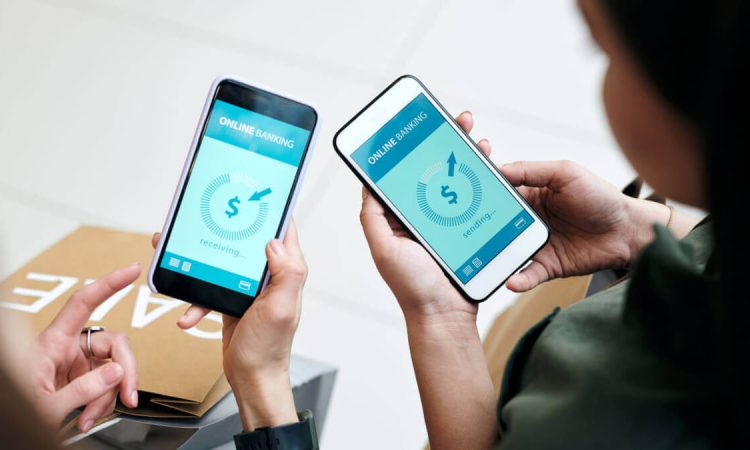
Selecting a money transfer application is more than just selecting a convenient application. The right selection will ensure that all costs are known, an authorized channel is used, personal data as well as payment data is secure, information is given regarding the expected receipt of the funds by the beneficiary, and provision is made for how to handle problems.
In the case of outward remittance from India, the application needs to adhere to the relevant foreign exchange framework. Comparing cost, compliance and security will give a basis for comparison. Regulations set by RBI dictate the remittance allowed and the responsibilities of the authorized individual.
Compare the Exchange Rate and Beneficiary Amount
The exchange rate may result in varying results from identical transfers. Thus, what matters most is not only the rate shown but also the sum that will actually go to the recipient after conversion and deductions.
While assessing the remittance rate, one should find out what authorised dealer offers the foreign exchange rate, when it was quoted and for how long it is valid. The current directions of the Reserve Bank of India on remittances through online third-party service include the exchange rate and an estimate of the cost of the transaction.
A clear quote will facilitate understanding of the conversion process.
Compare the Full Cost of a Cross Border Transfer, Not Just the Headline Fee
While the platform might highlight the transfer fee, it could be part of other costs such as the currency exchange process or transaction itself. Therefore, considering only the headline fee might not be enough to give you a full picture of the total cost.
In light of the RBI’s current regulations on some online cross-border remittances, there are disclosures that are required, which would involve the total transaction cost estimate, including exchange rates elements, transfer service charge, and any other relevant charges. The estimated foreign currency amount to be credited to the beneficiary also needs to be disclosed.
Before transferring money, you should compare:
- Transfer and Service Charges: See the fees that are involved in the transfer process itself.
- Exchange Rate Markup: See whether the currency exchange involves a markup.
- Any Other Relevant Fees: See the other charges related to the transaction.
- Foreign Currency Amount Beneficiary: See the foreign currency amount that will be credited to the beneficiary.
Looking into these aspects will give you a better comparison between the different platforms.
Check the Authorised Dealer Handling the Remittance
A polished digital interface does not explain who is responsible for the foreign exchange transaction. The underlying remittance arrangement matters.
Under the RBI’s framework for online non-trade cross-border remittances using third-party entities, the authorised dealer remains responsible for FEMA compliance and KYC. The platform should also display the name of the authorised dealer involved, its role, and the dealer whose foreign exchange rate it uses.
This helps distinguish the platform from the regulated entity handling the remittance.
Check the International Money Transfer Time and Credit Timeline
A lower apparent cost may be less useful if the transfer timing does not suit the payment need. Platforms should provide enough information to judge when the beneficiary may receive funds.
Current RBI directions require the foreign-currency amount and maximum time for crediting the beneficiary’s account to be displayed for covered online remittance arrangements. If a transfer is delayed beyond the stated time, the remitter should be able to track its status.
Check the expected credit timeline before confirming a transaction, particularly where the payment has a deadline.
Check Security and Data Protection for Online Remittances
Remittance involves identity details, bank information and transaction data. Security therefore extends beyond passwords or a familiar-looking website.
For online third-party arrangements covered by RBI directions, data collection must be need-based and supported by prior explicit consent. The framework also addresses data privacy, confidentiality, cybersecurity and the safety of remitter funds.
| Check Security and Data Protection Before Sending Money |
When assessing a platform, look for:
- Clear Data Policy: Understand what personal information is collected and why.
- Secure Authentication: Use the security controls provided for account access and approval.
- Transaction Records: Keep confirmation and payment details after every transfer.
- Grievance Contact: Check that a clear route exists for reporting a problem.
- Refund Information: Read the process if a transaction cannot be completed.
Avoid proceeding when important security or grievance information is difficult to locate.
Understand KYC and Compliance Requirements for International Transfers
International transfers can require information about identity and payment purpose. These checks are part of the regulatory process rather than simply platform formalities.
RBI permits authorised dealers to facilitate remittances using online or physical Form A2 and related documents where applicable, while continuing to meet FEMA and KYC requirements.
The information requested can therefore depend on the transaction. Provide accurate details and read the purpose declaration carefully.
Conclusion
Before you authorise a remittance facility make sure to pay attention to few things like, total cost, beneficiary amount, transfer timeline, regulatory route, data handling, and grievance process.
For transfers from India, checking who the authorised dealer is and understanding the required FEMA and KYC steps adds another layer of due diligence. A platform that presents these details clearly makes it easier to judge the transaction before committing funds. The right choice is ultimately the one whose cost, process, security and timing fit the purpose of the transfer without leaving important terms unclear.